
9 min read · Last updated November 2, 2026
- Disaster Unemployment Assistance (DUA) pays self-employed workers, gig and 1099 workers, and people who had a job lined up but never started it, none of whom qualify for regular state unemployment insurance (UI).
- The deadline to file an initial DUA application is 30 days from the date your state announces DUA is available, not 30 days from the disaster or your last day of work.
- If your calculated weekly amount comes out low, or you have no wage records to compute it from, DUA guarantees at least 50% of your state’s average weekly unemployment payment.
- DUA pays for weeks of unemployment through the 26th week after the President declares the disaster, not 26 weeks from the date you file.
Disaster Unemployment Assistance pays weekly benefits, worth at least half of a state’s average unemployment payment, to self-employed workers, gig workers, and new hires who lose work because of a federally declared major disaster and do not qualify for regular state unemployment insurance. To collect it, they have to file within 30 days of the state’s public announcement that the program is open, not 30 days from the disaster itself.
In this article
- What Disaster Unemployment Assistance is
- Disaster Unemployment Assistance eligibility: who qualifies
- What the Disaster Unemployment Assistance benefit covers
- How to apply for Disaster Unemployment Assistance
- Why Disaster Unemployment Assistance applications get denied
- Frequently asked questions
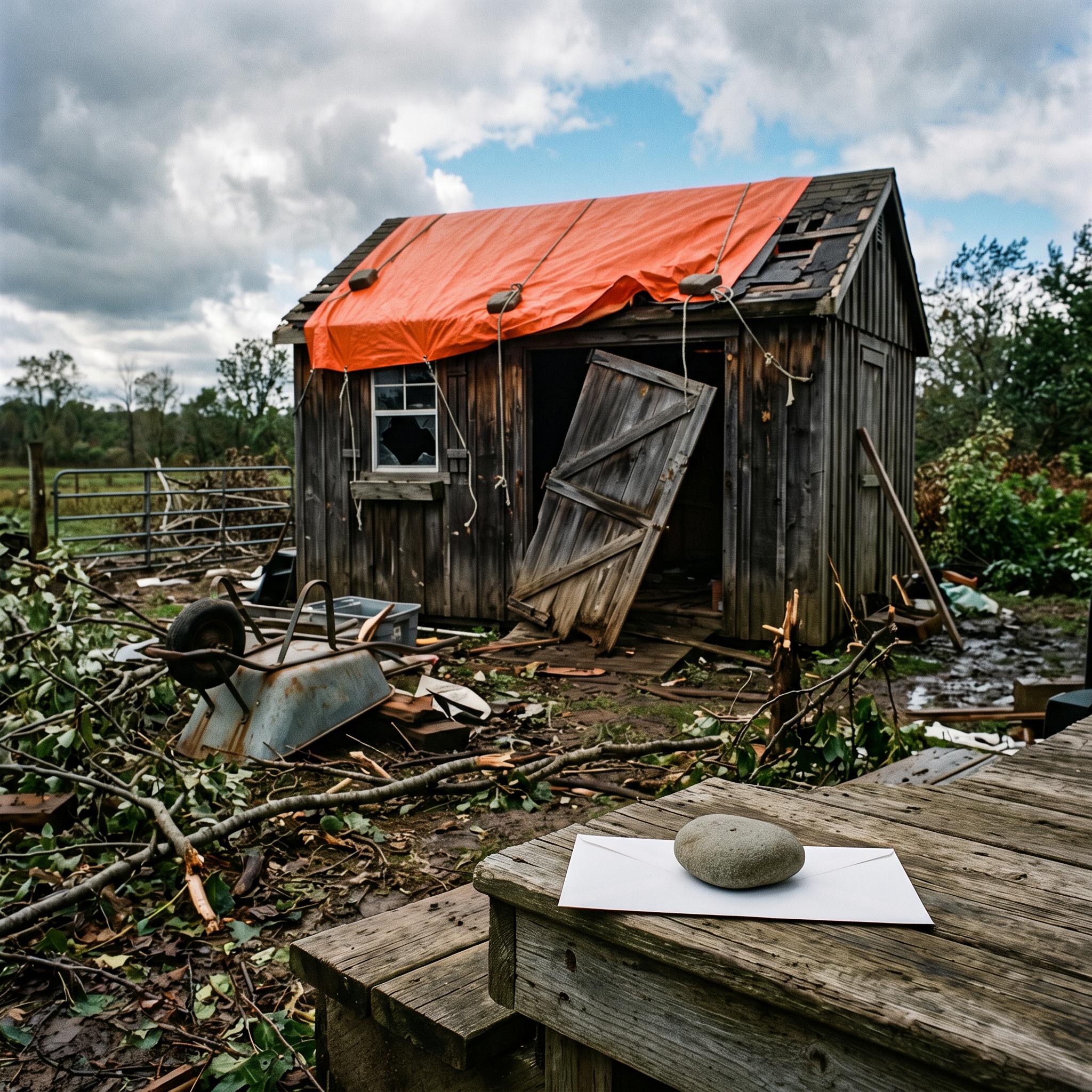
Imagine a self-employed landscaper named Dana Ortiz whose equipment shed and truck were destroyed when a hurricane hit her county and the President issued a major disaster declaration for the area. Dana has never paid into state unemployment insurance (UI), the program that replaces wages for laid-off employees, because self-employed people generally do not. Without Disaster Unemployment Assistance, a disaster that wipes out her entire season of income would leave her with nothing.
What Disaster Unemployment Assistance is
Disaster Unemployment Assistance (DUA) is a federal benefit created under the Robert T. Stafford Disaster Relief and Emergency Assistance Act. It activates only after the President declares a major disaster that includes Individual Assistance and specifically authorizes DUA for the affected area, according to the Federal Emergency Management Agency (FEMA).
FEMA funds the program and the Department of Labor (DOL) oversees it. Your state’s own unemployment insurance agency is the one that takes your application and cuts the checks.
DUA exists specifically to catch the people a disaster throws out of work who regular UI was never built to cover. If you already qualify for regular state UI, you file for that instead. DUA is the backstop for everyone else.
Disaster Unemployment Assistance eligibility: who qualifies
Dana qualifies because her self-employment income disappeared as a direct result of the hurricane. Under the Code of Federal Regulations (CFR), specifically 20 CFR 625.5, you can qualify for DUA if the disaster directly caused one of these:
- You no longer have a job or a place to work.
- You cannot reach your place of work.
- You cannot work because the disaster damaged your workplace.
- You cannot work because of an injury the disaster caused.
- You were scheduled to start a new job or self-employment and the disaster means the job no longer exists or you cannot get there.
- You became the main income earner for your household because the head of household died as a direct result of the disaster.
That fifth bullet is the one regular unemployment insurance structurally cannot reach: a new hire who never worked a single day has no wage history in the state’s system, so there is nothing to base a regular UI claim on. DUA fixes that by qualifying you based on the job you were about to start, not a job you already held.
The table below shows where the two programs genuinely split.
| Factor | Regular state UI | Disaster Unemployment Assistance |
|---|---|---|
| Who’s covered | W-2 employees with recent wages in the state system | Self-employed workers, gig/1099 workers, new hires, and anyone regular UI denies because of the disaster |
| What triggers it | A layoff, reduction in hours, or qualifying separation | A presidential major disaster declaration that authorizes DUA for the area |
| Filing deadline | Set by state law, usually tied to your last day worked | 30 days from the state’s public announcement that DUA is open |
| How the benefit is set | State formula based on your recent wages | Same state formula where possible, with a guaranteed floor of 50% of the state’s average weekly benefit |
| Proof required | Employer wage records the state already has | Your own documentation, such as a tax return, within 21 days of applying |
| How long it pays | Set by state law, varies by state | Through the 26th week after the disaster declaration date |
What the Disaster Unemployment Assistance benefit covers
DUA tries to pay you the same weekly amount regular UI would have paid, using your state’s own benefit formula. For an employee, that means your recent wages. For a self-employed person like Dana, 20 CFR 625.6 says the state uses the net income from your most recently completed tax year as your “wages” for the calculation.
This is where the 50% floor matters. If that calculation comes out low, or you have not filed a tax return yet and have no wage history to compute from, you are not left with nothing. The state must pay you at least 50% of the average weekly regular UI payment in that state, a figure the Department of Labor reports to states quarterly.
DUA also pays for every week of unemployment from the week after the disaster began through the 26th week after the disaster was declared, as long as your unemployment is still a direct result of the disaster. The clock for that 26-week window runs from the declaration date itself, not from whenever you happen to file.
Your state’s unemployment agency is also required to offer you job counseling, referrals, and training alongside your DUA payments, the same reemployment help it gives regular UI claimants. If you are rebuilding your income by looking for new work rather than restarting self-employment, it is worth asking your state’s workforce center what else you may qualify for, including hiring-incentive programs such as the Work Opportunity Tax Credit that can make you a more competitive candidate.

How to apply for Disaster Unemployment Assistance
You cannot apply for DUA the moment a disaster happens. You have to wait for your state’s unemployment insurance agency to publicly announce that DUA is available, which only happens once the state has signed an agreement with the Department of Labor to administer it. Once that announcement runs, Dana has 30 days from that announcement date, not from the hurricane itself, to file her initial application.
File with the unemployment insurance agency in the state where your disaster-related unemployment occurred, by whatever method that state’s announcement specifies: in person, phone, mail, or online. If you evacuated or relocated to a different state, you can still get help filing through the unemployment agency in the state where you are currently living. After your initial application, you then file a weekly claim for each week you want paid, the same way a regular UI claimant does.
If you cannot prove your income yet, that will not block your initial application. You get 21 calendar days after filing to submit documentation, such as your most recent tax return, substantiating your self-employment or the job you were about to start. Missing that 21-day window is treated as a failure to qualify, not a paperwork delay.
Why Disaster Unemployment Assistance applications get denied
The single most common denial is a late initial application. The 30-day window starts on the announcement date, and the regulation allows a late filing only if you can show good cause, with no filing accepted at all once the 26-week disaster assistance window has closed. If Dana waits until she hears about DUA from a neighbor six weeks after the storm instead of checking her state’s unemployment agency the week the disaster hit, she risks missing the window entirely.
The second is eligibility for regular UI instead. DUA exists specifically for people regular UI does not cover, so if you qualify for regular state unemployment benefits, the state will route you there and deny the DUA claim.
The third is documentation. If you cannot substantiate your income or your planned job within 21 days of applying, your claim is denied and any payments you already received are treated as an overpayment you owe back.
Common unemployment denial reasons that trip up regular UI claimants also apply to DUA. Refusing a bona fide offer of work you could have started cuts off your benefits from that week forward, the same as it would on a regular claim.
Frequently asked questions
Can self-employed workers get Disaster Unemployment Assistance?
Yes. Self-employed workers are exactly who Disaster Unemployment Assistance exists for, since they generally do not pay into state unemployment insurance and cannot file a regular claim. Your weekly amount is based on the net income from your most recently completed tax year, and if you have no return on file yet, you still qualify for the 50% benefit floor while you gather documentation.
What if I already applied for regular unemployment and got denied?
A regular unemployment insurance denial does not automatically qualify you for Disaster Unemployment Assistance. You still have to show your unemployment is a direct result of the declared disaster, such as damage to your workplace or an inability to reach it. Bring your denial notice when you file DUA so the state can confirm you are not eligible for the regular program first.
Does Disaster Unemployment Assistance pay more than regular unemployment?
No. DUA uses the same state benefit formula as regular unemployment insurance and caps out at the same maximum weekly amount. The difference is the floor, not the ceiling: DUA guarantees at least 50% of your state’s average weekly benefit even when your own wage history would otherwise compute to less, or to nothing at all.
What happens if I miss the 30-day deadline?
A late initial application can still be accepted if you had good cause for filing late, but the state decides that case by case, and no application is accepted after the 26-week disaster assistance window closes. Do not wait for a mailed notice. Contact your state’s unemployment insurance agency directly as soon as you hear a disaster declaration has been made for your area.
How long does Disaster Unemployment Assistance last?
DUA pays for weeks of unemployment that fall within the 26 weeks following the date the major disaster was declared, provided your unemployment is still a direct result of that disaster. That 26-week clock is fixed to the declaration date for everyone in the disaster area. It does not restart or extend based on when you personally filed your claim.

Leave a Comment