Putting food on the table should not feel like a financial emergency, but for millions of families, grocery costs eat up a disproportionate share of their income. Rising food prices have hit household budgets hard, and many people do not realize how much help is available.
Federal, state, and local programs exist specifically to ease the burden of feeding a family. Knowing what is out there and how to apply gives you more control over one of your biggest monthly expenses.
The Supplemental Nutrition Assistance Program, commonly known as SNAP, is the largest federal food assistance program in the country. SNAP provides monthly benefits loaded onto an Electronic Benefit Transfer (EBT) card that works like a debit card at grocery stores and farmers markets.
Eligibility is based on income, household size, and certain expenses like housing costs. The application process starts at your local Department of Social Services or through your state’s online portal.
Other Federal Programs That Help With Food Costs
The Special Supplemental Nutrition Program for Women, Infants, and Children (WIC) serves pregnant women, new mothers, and children up to age five. WIC provides vouchers for specific nutritious foods like milk, eggs, whole grains, fruits, and vegetables.
The program includes nutrition education and breastfeeding support as well. Families receiving SNAP may qualify for WIC simultaneously because the two programs serve different functions.
The Emergency Food Assistance Program (TEFAP) distributes USDA foods to state agencies, which then pass them to local food banks and pantries. This program operates at the community level, and eligibility requirements are often less strict than SNAP.
School breakfast and lunch programs provide free or reduced-price meals to children from qualifying families. These programs run during the school year, and many states extend summer meal programs as well.
For food assistance, USDA’s SNAP page is the federal source for program basics. For broader food help, USA.gov lists food-assistance resources readers can check by household need.
Community Food Banks and Local Pantries
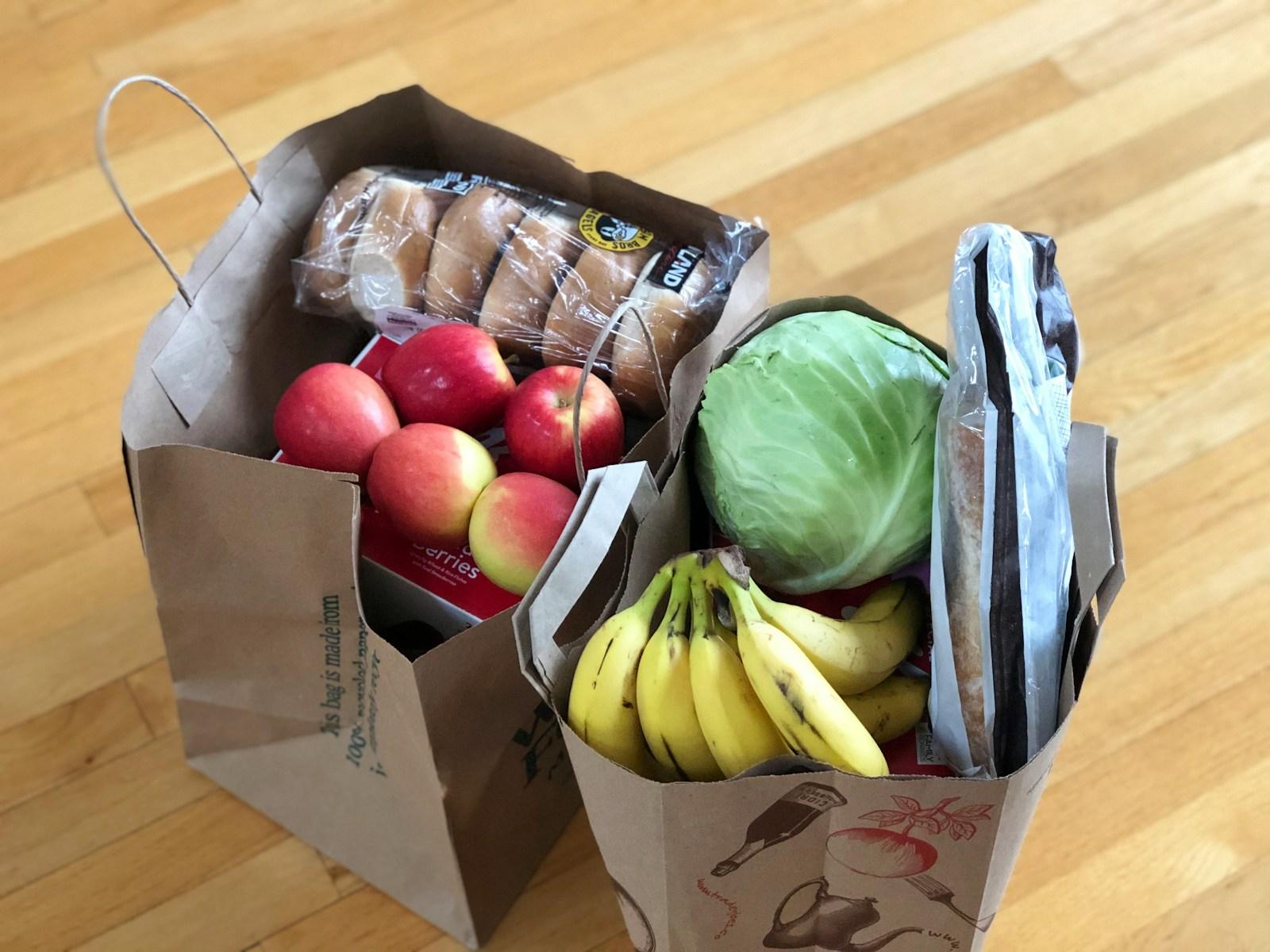
Food banks and pantries are the most immediately accessible source of grocery help. Most communities have at least one food pantry that distributes free groceries to families in need.
These pantries are operated by nonprofits, churches, and community organizations. You typically show up during distribution hours and receive a bag or box of groceries. Some pantries require proof of income or residency, while others serve anyone who walks through the door.
Feeding America is the largest network of food banks in the country, with locations in every state. Their website has a food bank finder tool that shows you the nearest distribution point based on your zip code.
Local churches and religious organizations frequently operate their own food pantries and meal programs as well. Community fridges, which are public refrigerators stocked with donated food, are another growing resource in urban areas.
Strategies to Make Your Grocery Dollar Go Further
Meal planning is one of the most effective strategies for reducing grocery costs without assistance programs. Planning your meals for the week before you shop eliminates impulse purchases and reduces food waste.
Buying in-season produce, choosing store brands, and shopping sales flyers are small habits that add up to significant savings over a month.
Couponing has evolved beyond clipping newspaper inserts. Apps like Ibotta, Fetch, and Checkout 51 offer digital cashback rewards on groceries. Stacking these app rebates with store coupons and sale prices stretches your budget even further.
Many grocery stores offer their own loyalty programs with personalized discounts based on your shopping history.
No one should go hungry because of a tight budget. Applying for SNAP, visiting a local food bank, and using smart shopping strategies are all legitimate tools that help you feed your family well.
If you are looking for broader financial support while managing food costs, explore programs that help you earn income during food stamp benefits training periods. Help is available, and reaching out is a sign of strength.
Double-up food bucks programs at farmers markets are a hidden gem that many SNAP recipients do not know about. These programs match your SNAP spending dollar for dollar on fresh fruits and vegetables.
If you spend $10 in SNAP benefits, you receive $10 in bonus tokens to spend on produce. This effectively doubles your food budget when shopping at participating farmers markets.
The program operates in most states and is a powerful way to stretch your benefits while eating healthier.
Community gardens offer another avenue for reducing grocery costs. Many cities provide free or low-cost garden plots where residents grow their own vegetables and herbs.
The startup cost is minimal, and the yield from even a small plot meaningfully supplements your grocery budget during growing season. Community gardens frequently share surplus produce among members, so you benefit even during weeks when your own plot is not producing.
Online resources like the USDA’s MyPlate Kitchen offer free meal planning tools and recipes designed around budget-friendly ingredients. Planning your weekly meals using these tools reduces food waste, prevents impulse purchases, and helps you make the most of whatever assistance benefits you receive.
Combining meal planning with coupon apps and loyalty programs creates a layered savings strategy that compounds over time.
Frequently Asked Questions
How do I apply for SNAP?
SNAP applications are processed by the state SNAP agency, not by the federal government. Apply online at the state’s benefits portal, in person at the local Department of Social Services office, or by mail.
Required documents:
- Photo ID;
- Social Security numbers for everyone in the household;
- Proof of income for the last 30 days, rent or mortgage statement;
- Utility bills, and
- Bank statements.
Most states process applications within 30 days. Emergency SNAP, within 7 days for households with very low income and resources.
Who qualifies for SNAP?
Most households qualify with gross income at or below 130% of the federal poverty level, about $33,500 for a family of three in 2025. Net income (after deductions for housing, childcare, and medical expenses) must be at or below 100% of FPL.
Households containing a senior 60+ or a person with a disability qualify under the elderly/disabled rules, which include medical expense deductions and a higher resource limit.
What does WIC actually provide?
WIC provides vouchers or EBT credits for specific nutritious foods, milk, eggs, whole grains, fruits, vegetables, infant formula, peanut butter, to pregnant women, postpartum mothers, infants, and children up to age 5.
Income eligibility is at or below 185% of the federal poverty level. WIC also includes free nutrition counseling and breastfeeding support. SNAP recipients qualify for WIC automatically.
How do I find a food bank or pantry near me?
Feeding America operates the largest U.S. food bank network, find a local pantry at feedingamerica.org/find-your-local-foodbank.
Dial 211 for the most current local list, including church-run pantries, community fridges, and mobile pantry schedules.
Most pantries do not require proof of income; some require proof of residency.
Are free school meals available year-round?
Free and reduced-price school breakfast and lunch are available during the school year for children in households at or below 185% of the federal poverty level (universal free meals in some states and districts).
Summer EBT (S-EBT) provides $40 per eligible child per summer month in participating states. Summer Food Service Program sites offer free meals to children 18 and under at community sites during the summer.



Leave a Comment