
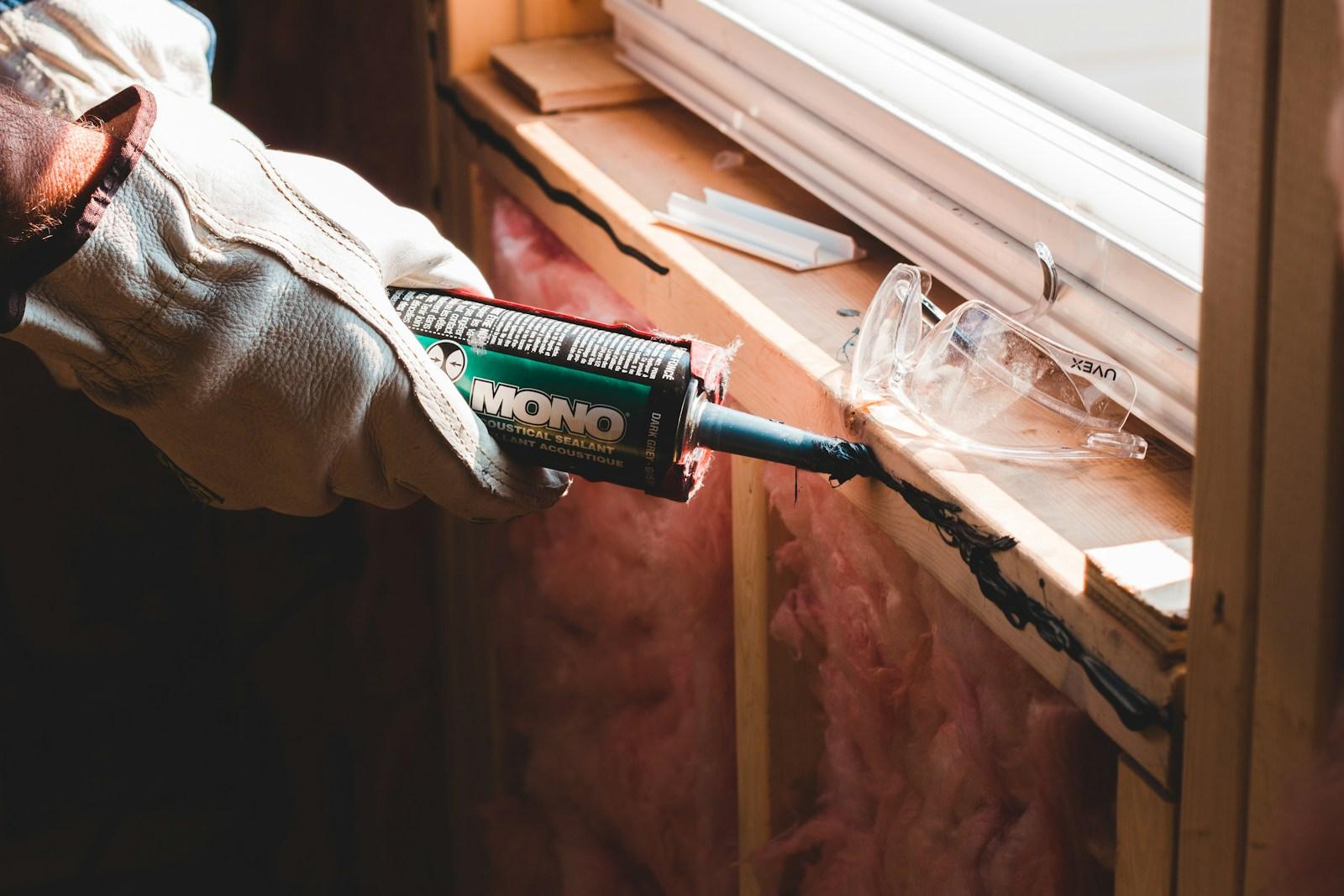
Most families spend more on energy than they need to, and the reason usually comes down to how their home is built. Older homes with drafty windows, thin insulation, and outdated heating systems waste energy at an alarming rate. The good news is that the federal Weatherization Assistance Program (WAP) helps low-income households make their homes more energy efficient at no cost. This program has been running for decades, yet many eligible families never apply.
WAP is funded through the U.S. Department of Energy and administered by local agencies in every state. The program pays for improvements like insulation, air sealing, furnace repair or replacement, and window upgrades. These are not cosmetic changes. They are structural improvements that reduce the amount of energy your home wastes. Families who receive weatherization services save an average of several hundred dollars per year on their heating and cooling bills.
How Home Energy Audits Work
A home energy audit is the starting point for understanding where your home loses the most energy. During an audit, a trained technician inspects your home using specialized tools. Blower door tests measure how much air leaks in and out of your home through cracks and gaps. Infrared cameras identify spots where insulation is missing or inadequate. These tools give a clear picture of the improvements that will deliver the biggest return.
Many utility companies offer free or low-cost energy audits to their customers. Some states require utilities to provide this service as part of their energy efficiency mandates. The audit typically takes a few hours and covers everything from your HVAC system and ductwork to windows, doors, and appliances. After the assessment, you receive a detailed report with recommended fixes and estimated savings for each improvement.
DOE explains what Weatherization can fund; the local agency determines whether a home is eligible and which improvements it can schedule.
Who Qualifies for the Weatherization Assistance Program
Eligibility for WAP is based on household income, and the thresholds vary by state. In general, families at or below 200 percent of the federal poverty level qualify. Households that include elderly members, people with disabilities, or families with young children often receive priority. If you already receive benefits like SNAP, TANF, or Supplemental Security Income, you may automatically qualify.
The application process starts with your local Community Action Agency, which is the organization that administers WAP in most areas. You fill out an application, provide proof of income, and wait for approval. Wait times vary by location, and some areas have longer backlogs than others. Applying early increases your chances of getting served sooner. The work is done by trained contractors at no cost to you, and the upgrades become a permanent part of your home.
Improvements That Make the Biggest Difference
Insulation is the single most impactful upgrade WAP provides. Adding insulation to attics, walls, and floors keeps heated or cooled air inside your home where it belongs. Air sealing around windows, doors, electrical outlets, and pipes eliminates the small leaks that collectively drive up your energy bill. These two improvements together reduce the overall workload on your heating and cooling system.
Furnace and water heater repairs or replacements are another key component. An old, inefficient furnace running at 60 percent efficiency costs significantly more to operate than a modern unit running at 90 percent efficiency or higher. WAP may cover the cost of upgrading these systems when they are unsafe or extremely inefficient. Window repairs and storm window installations are common weatherization measures as well.
Here is what that package looks like for a typical household WAP serves:
| Home profile | 1,500 sq. ft. home built in the 1970s, with an under-insulated attic, single-pane windows, and a furnace over 20 years old |
| Weatherization package | Attic and wall insulation, comprehensive air sealing around windows and doors, and a furnace tune-up or replacement |
| Annual savings | $372 or more per year on heating and cooling, based on DOE’s national program evaluation, with first-year savings often higher when the furnace itself is replaced |
The bottom line is that weatherization is one of the most effective ways to permanently lower your energy costs. It is not a one-time discount or temporary fix. It is a structural improvement that pays dividends for years. Start by scheduling a home energy audit and then look into WAP if you meet the income guidelines. Your home has the potential to work much harder for you than it does right now.
The benefits of weatherization extend beyond lower energy bills. A properly insulated and sealed home is more comfortable year-round, with fewer drafts, more even temperatures between rooms, and less noise from outside. Families who receive WAP services frequently report improved respiratory health because air sealing reduces the entry of pollen, dust, and outdoor pollutants into the home. These quality-of-life improvements do not show up on a utility bill, but they matter enormously to the people who experience them.
Renters are eligible for WAP too, which is a point many people miss. If you rent your home, your landlord must agree to the work being done, and WAP requires the landlord to sign a consent form. In exchange, the landlord gets free improvements to their property that increase its value and reduce tenant turnover. The program benefits both parties, and agency staff handle the coordination between you and your landlord.
Energy audits are available to homeowners and renters through additional programs beyond WAP. Some states offer incentive programs that cover the cost of an audit and provide rebates for implementing the recommended improvements. Utility companies often partner with local contractors who perform audits at discounted rates. Taking the first step of scheduling an audit opens the door to savings you did not know were available.
Frequently Asked Questions
Who qualifies for the Weatherization Assistance Program?
WAP eligibility is generally at or below 200% of the federal poverty level. Households already enrolled in LIHEAP, SNAP, SSI, or TANF qualify automatically in most states. Priority is given to households containing seniors age 60+, people with disabilities, or children under age 6. Eligibility is administered through local Community Action Agencies, not directly through the Department of Energy.
What upgrades does WAP actually pay for?
Standard WAP services: attic and wall insulation, air sealing around doors and windows, weather stripping, duct sealing, heating system tune-ups or replacement, water heater wraps, refrigerator replacement (when failing), LED bulb swaps, and safety repairs that enable other upgrades. Cosmetic repairs and additions are not covered. All work is done by trained contractors at no cost to the household.
How much do households save after weatherization?
Department of Energy data shows WAP-weatherized homes save an average of $372 per year on heating and cooling bills, with first-year savings often higher when major insulation or heating system upgrades are involved. The upgrades are permanent and savings continue year after year. Health and safety improvements (CO detector installation, gas leak repair) are an additional benefit.
What happens during a home energy audit?
A trained energy auditor inspects the home using a blower door (measures air leakage), an infrared camera (identifies insulation gaps and thermal bridges), a combustion analyzer (checks heating system safety), and a duct pressure test. The audit takes 2 to 4 hours. Output is a prioritized list of upgrades with estimated savings for each. Most regulated utilities offer free or low-cost audits independently of WAP.
How long is the WAP waiting list?
Wait times vary widely by state and by year, anywhere from a few weeks in well-funded areas to 12 to 24 months in high-demand regions. Applying early in the program year (October to November in most states) and being in a priority category (senior, disability, young child) shortens the wait. Crisis-eligible households (no working heat in winter) often jump the queue.



Leave a Comment