
Paying for prescription medication without insurance can feel impossible. A single drug can cost hundreds of dollars a month, and for people managing multiple conditions, the total adds up fast. What many people do not realize is that a wide range of programs exist specifically to bring those costs down, and some of them cover medication at little to no cost at all.
You do not need to be enrolled in a health insurance plan to access prescription coverage. There are federal programs, state programs, manufacturer assistance programs, and nonprofit options that work independently of insurance. Knowing which ones apply to your situation can make a significant difference in what you pay at the pharmacy.
Federal and State Programs That Cover Prescriptions
Medicaid is the most comprehensive option for people with low income who have no insurance. It covers a broad list of prescription drugs with little to no cost sharing in most states. Eligibility is based on income and household size, and in states that expanded Medicaid under the Affordable Care Act, the income threshold is higher than most people expect. A single adult earning up to around $20,000 a year may qualify depending on the state. You can apply through your state Medicaid office or through the federal Health Insurance Marketplace at healthcare.gov.
Medicare Part D is worth knowing about even if you are not yet 65. People under 65 who receive Social Security Disability Insurance or have certain qualifying conditions like end-stage renal disease are eligible for Medicare, which includes Part D prescription coverage. If you are already on Medicare but have not enrolled in Part D, you can do so during open enrollment periods. Low-income Medicare beneficiaries may qualify for the Extra Help program, which significantly reduces Part D premiums and drug costs.
The Children’s Health Insurance Program, known as CHIP, covers prescription drugs for children in households that earn too much for Medicaid but still cannot afford private insurance. If you have children at home without coverage, CHIP is one of the fastest ways to get their medications covered. Applications go through the same state agencies that handle Medicaid.
Several states run their own pharmaceutical assistance programs separate from Medicaid. These are designed for residents who fall into income gaps or who have specific conditions that require expensive medications. State programs vary widely, so checking your state health department website or calling 211 will tell you what is currently available in your area.
Manufacturer Patient Assistance Programs
Most major pharmaceutical companies run patient assistance programs that provide their brand-name drugs free or at a steep discount to people who cannot afford them. These programs are not widely advertised, but they are real and they serve a large number of patients every year.
To qualify, you typically need to show that your income falls below a certain threshold and that you do not have insurance coverage for the medication in question. Each company sets its own income guidelines, and some are more generous than others. The application process usually involves submitting proof of income and having your doctor complete a section of the form confirming the prescription is medically necessary.
NeedyMeds.org and RxAssist.org are two free databases that catalog manufacturer assistance programs by drug name. You type in the medication you need and the site shows you what programs are available, eligibility requirements, and how to apply. These databases are updated regularly and are a good starting point when you need help with a specific drug.
Some hospitals and health systems have patient navigators whose job is to connect patients with these programs. If you are receiving care at a hospital or clinic, ask to speak with a patient assistance coordinator. They often know about prescription drug assistance programs that are not easy to find on your own and can help you complete the paperwork.
Nonprofit organizations fill in additional gaps for patients who do not qualify for manufacturer programs or who need help with generic drugs that manufacturers do not typically cover. The Partnership for Prescription Assistance connects patients with multiple programs through a single application process, reducing the time spent applying separately to each one.
Other Ways to Reduce Prescription Costs Without Insurance
- GoodRx and similar discount programs are not insurance, but they can dramatically reduce what you pay at the pharmacy. These programs negotiate prices with pharmacies and provide a card or coupon you present at the counter. In many cases, the discounted price is lower than what insured patients pay after their copay. The service is free to use and requires no enrollment.
- Community health centers, also known as Federally Qualified Health Centers, operate on a sliding fee scale based on income. Many of them have in-house pharmacies or partnerships with pharmacies that dispense medications at reduced cost to their patients. These centers serve patients regardless of insurance status, and some have on-site medication assistance programs that are not available elsewhere.
- Ask your prescribing doctor whether a generic version of your medication is available. Generics contain the same active ingredient as brand-name drugs and meet the same FDA standards, but they cost significantly less. If no generic exists, ask whether a different drug in the same class could achieve the same result at a lower price. Most doctors are willing to adjust a prescription when cost is a barrier to the patient actually filling it.
- Splitting higher-dose pills is another cost-reduction strategy that works for certain medications. Some drugs are priced the same regardless of the dosage strength, which means a higher-dose tablet costs the same as a lower-dose one. If your doctor agrees the medication is suitable for splitting, buying the higher dose and cutting the pills in half can cut your monthly cost in half as well. Never split a medication without checking with your doctor first, as some drugs are not safe to split due to their coating or release mechanism.
Getting prescriptions filled at the right price takes a little research, but the options are there. Start with the programs most likely to cover your specific situation, and work through the list until you find the one that brings your cost down to something you can manage.
Frequently Asked Questions
Does Medicaid cover prescription drugs?
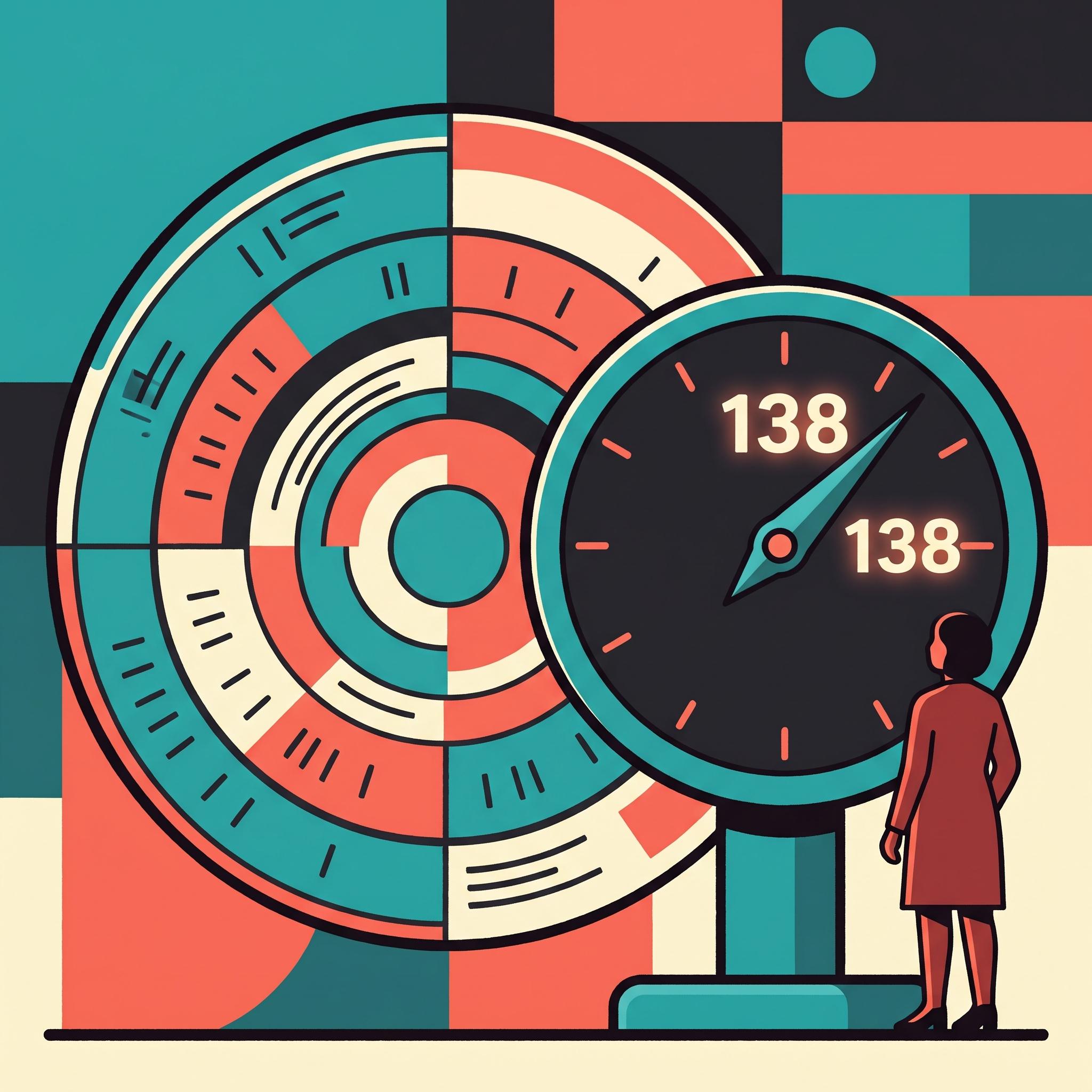
Yes. Medicaid covers prescription drugs in all 50 states with copays usually $0 to $4 per prescription. Coverage is mandatory under the ACA’s essential health benefits. Income eligibility under Medicaid expansion is up to 138% of the federal poverty level, about $20,800 for a single adult in 2025. Apply at the state Medicaid office or through healthcare.gov.
Who qualifies for Medicare Extra Help?
Extra Help (also called Low Income Subsidy) provides Medicare Part D prescription drug coverage at reduced cost for Medicare beneficiaries with income at or below 150% of the federal poverty level. With full Extra Help: $0 premium, $0 deductible, generic copays $4.50, brand copays $11.20. Apply at ssa.gov/extrahelp.
What is a manufacturer Patient Assistance Program?
Drug manufacturers run Patient Assistance Programs that provide brand-name drugs free or at deep discount to qualifying patients, typically uninsured or underinsured with income below 200% to 400% of the federal poverty level. NeedyMeds.org and RxAssist.org list current PAPs by drug name. The doctor’s office must complete part of the application certifying the medical need.
How much do discount cards like GoodRx save?
GoodRx, SingleCare, and RxSaver compare pharmacy cash prices and apply discount coupons at checkout. Savings typically run 10% to 80% off retail cash price. They do not work with insurance, so use whichever is lower. Mark Cuban Cost Plus Drugs (costplusdrugs.com) sells generics at manufacturing cost plus 15% plus a $5 dispensing fee, often the cheapest option for common generics.
What about 340B community health center pharmacies?
FQHCs and many community health centers participate in the 340B Drug Pricing Program, which lets them purchase medications at deeply discounted prices and pass the savings to patients on a sliding scale. 340B pricing can be 30% to 60% below retail for the same drug. Establish care with a 340B-participating FQHC by searching findahealthcenter.hrsa.gov.

Leave a Comment