
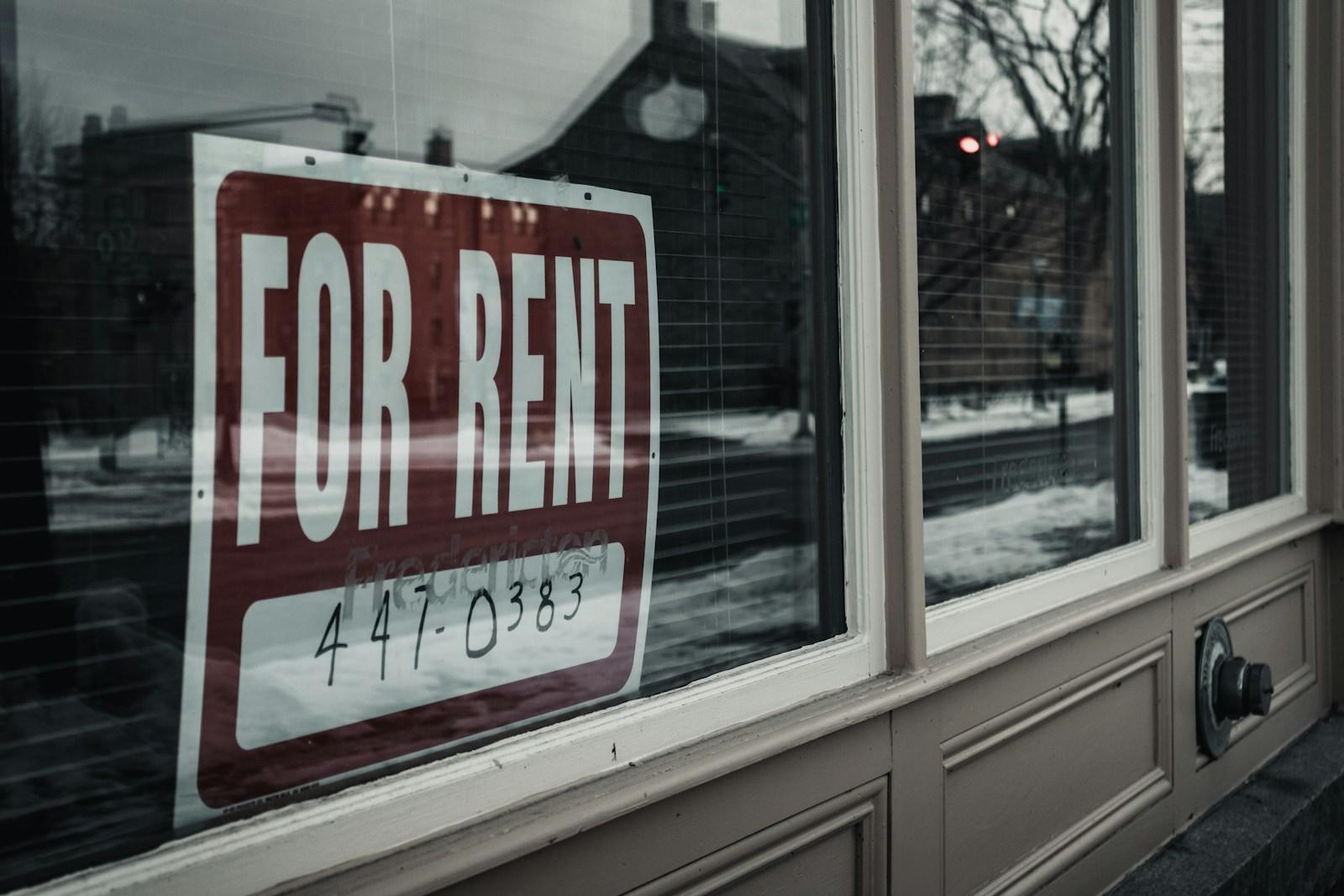
Falling behind on rent puts a household in a very difficult spot. An eviction notice feels like the worst possible news… But it is actually the moment to take action, not panic.
Help exists at the federal, state, and local level specifically for this situation. Many renters qualify for funds before their case ever reaches a judge.
The key is moving quickly. Programs have deadlines. Landlords have timelines. Courts have calendars.
Knowing what to apply for and how to apply gives you the best shot at keeping your home. This guide walks you through your real options step by step.
Who Qualifies for Emergency Rental Assistance
Most emergency rental assistance programs target households earning below 80% of the area median income.
You do not have to be completely without income to qualify. Many working families qualify simply because a job loss, medical bill, or unexpected expense pushed them behind on payments they had been managing just fine before.
You generally need to show proof of the financial hardship that caused the gap. A termination letter, a hospital bill, a reduction in work hours, or a bank statement showing the shortfall are all common forms of documentation.
You will also need a copy of your lease and any written notice from your landlord to confirm the situation is active and urgent.
Some programs give priority to households with children, seniors, or disabled members. Others give priority based on how close the eviction is to being finalized.
Applying sooner keeps more options open and gives the program more time to process your case before a court date is set.
Where to Find Rental Help in Your Area
Your first call should be to 211. This free helpline connects callers to local emergency resources by zip code and operates around the clock.
Operators can point you directly to the rental assistance programs active in your county right now… Including any with open enrollment or emergency intake windows.
State housing agencies distribute their own rental assistance funds… Now that the federal Emergency Rental Assistance Program has closed… Often have county-level offices you can visit in person.
Your city or county government website should have a housing assistance page listing current programs. Many local nonprofit organizations, including community action agencies and faith-based groups, also run their own rental funds that operate completely separate from government programs.
When you find a program, gather your documents before you start the application. Missing paperwork is the most common reason applications stall or get rejected outright.
Having your photo ID, lease, income proof, and eviction notice ready means the process moves faster and your case gets reviewed sooner.
Applying to more than one program at the same time is allowed and encouraged.
You cannot receive duplicate payments for the same month. But submitting to several programs means a faster approval is more likely from at least one source.
Keep a log of every application you submit, including dates and reference numbers… So you can follow up without losing track.
How State Rent Relief Programs Work
Each state administers its own version of rental assistance, and the rules vary more than most people expect.
Some programs pay landlords directly, while others reimburse tenants after they have paid. Most cover past-due rent and, in many cases, a few months of future rent to give households real breathing room.
Some programs also cover utility arrears as part of the same application, which helps when falling behind on rent also means falling behind on the electric or gas bill.
You can find your state’s active program through the HUD website or by searching your state name alongside “emergency rental assistance.” Many states list programs through their 211 online directories as well.
Look specifically at state rent relief programs for your area, since funding levels and eligibility windows change throughout the year as new allocations are approved or existing funds run low.
How rental assistance programs work
One thing worth knowing is that many landlords will pause eviction proceedings once they see a rental assistance application is in progress. A quick conversation with your landlord explaining that an application has been submitted often buys extra time before the next step in the legal process.
Landlords generally prefer receiving payment over going through a court hearing, which costs them filing fees and time they do not always have to spare.
If one program denies your application, ask why and whether there is a formal appeal process. A denial from one source does not close the door on others. Some decisions get reversed when additional documentation is submitted.
If income was the reason for denial, look for programs with different thresholds, including faith-based organizations and mutual aid groups that sometimes operate without strict income caps.
Legal aid offices offer free representation to tenants facing eviction and are worth contacting early. They know the local rules, can negotiate with landlords directly, and will appear in court with you if it comes to that. Search for legal aid in your area through lawhelp.org.
Many offices have emergency intake lines specifically for eviction cases and can move faster than you might expect.
Frequently Asked Questions
Who qualifies for emergency rental assistance?
Most emergency rental assistance programs target households at or below 80% of area median income, with priority for households below 50% AMI.
Eligibility requires documented financial hardship (job loss, reduced hours, medical bills, family disruption) and risk of housing instability, a pay-or-quit notice, eviction filing, or significant rent arrears.
Working families with children, seniors, and disabled members are usually prioritized.
Where do I find rental assistance in my area?
Three reliable entry points: dial 211 for United Way’s curated local list of active programs, search the state housing agency’s website for state-administered ERA funds, and contact the local Community Action Agency for federal and nonprofit emergency funds.
Applying to multiple programs simultaneously is allowed, duplicate payments for the same month are not, but parallel applications speed approval from at least one.
What documents are required for an emergency rental application?
Standard package:
- photo ID;
- Social Security numbers for the household;
- signed lease showing tenant and landlord names;
- current rent ledger or eviction notice;
- proof of income for the last 30 days;
- proof of hardship (termination letter, medical bills, family disruption documentation), and
- the landlord’s W-9 and direct deposit info.
The landlord’s W-9 is the single most commonly missing item.
How fast can rental assistance reach the landlord?
Routine applications take 30 to 60 days from complete submission. Eviction-diversion fast tracks, triggered by a filed eviction notice or court date within 14 days, process in 7 to 14 days.
Notify the housing court that an assistance application is filed and request a continuance, most courts will pause proceedings while an active application is being processed.
Can I apply if I am already in eviction court?
Yes, and several states (New Jersey, Connecticut, Washington, Massachusetts) have eviction-diversion programs that require a documented assistance application before an eviction can move forward against a low-income tenant. Notify the court clerk that an application is filed.
Free legal aid organizations file responses and request continuances at no cost, find local legal aid at lsc.gov or lawhelp.org.



Leave a Comment