
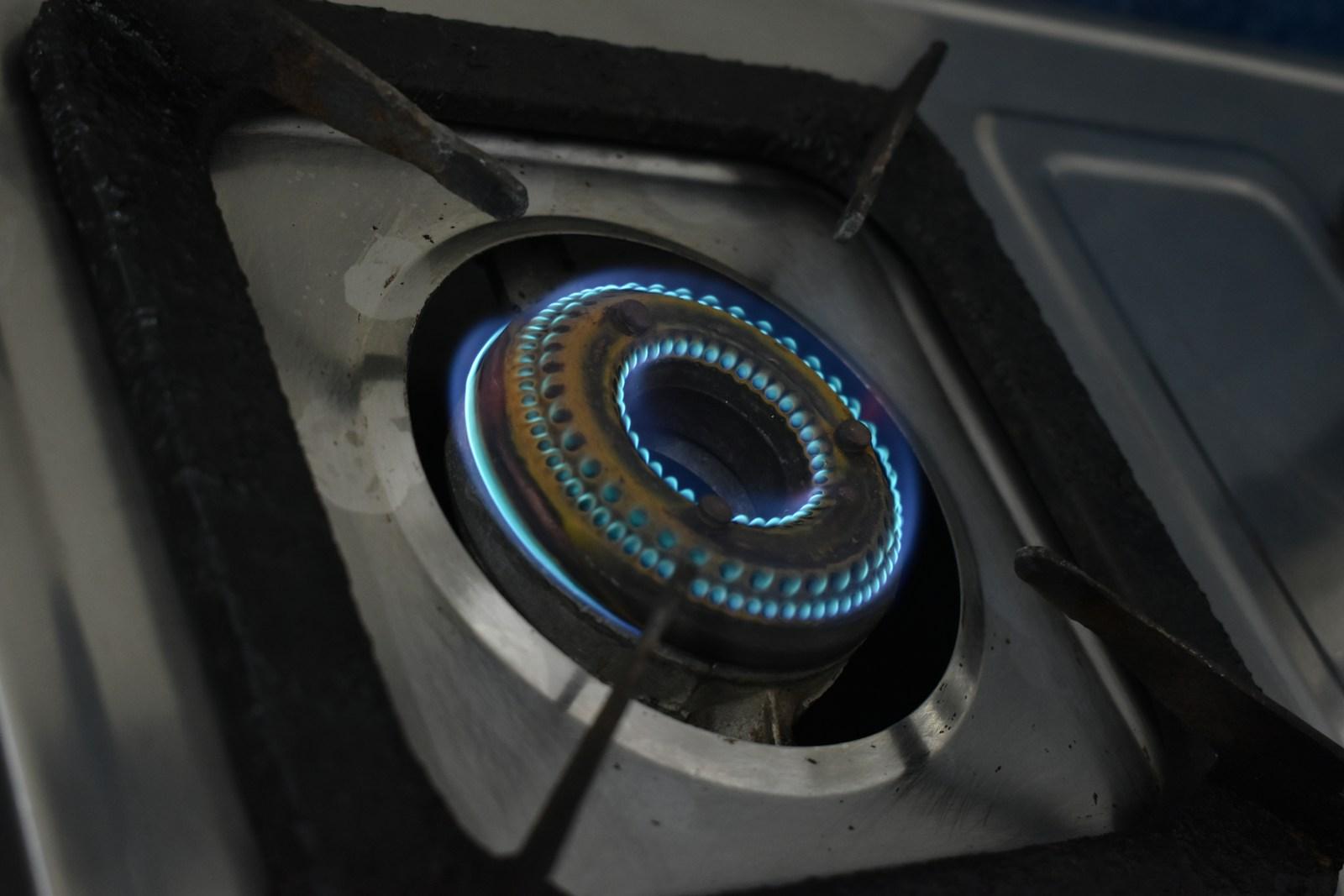
Winter utility bills have a way of catching households off guard. A month of unusually cold temperatures can push a gas or heating oil bill two or three times higher than what a family budgeted for, and when that happens on top of other financial pressure, keeping the heat on becomes a genuine crisis. The good news is that this is one of the most supported categories of household assistance in the country. Programs exist at the federal, state, local, and nonprofit level specifically to help families cover heating costs when they cannot do it on their own.
This guide covers the main sources of heating bill help, how to apply before your situation gets worse, and what to do if the heat gets shut off before assistance arrives.
Federal Heating Assistance Through LIHEAP
The Low Income Home Energy Assistance Program, known as LIHEAP, is the largest federally funded heating assistance program in the United States. It is administered by the U.S. Department of Health and Human Services and distributed through state and local agencies. LIHEAP provides direct payments to utility companies or heating fuel suppliers on behalf of qualifying households, which means the money goes straight to the bill rather than passing through your hands.
Eligibility is based on household income and size. Most states set the income threshold at or below 150 percent of the federal poverty guidelines, though some states use a higher threshold depending on available funding. Households that include elderly members, children under six, or individuals with disabilities are often given priority during periods of high demand or limited funding.
The state energy office or utility is the source for current heating-bill assistance, payment-plan terms, and shutoff protection.
LIHEAP funding is released annually and program availability varies by state. Some states open enrollment in the fall before heating season begins. Others open on a rolling basis and close when funds run out. Applying as early as possible in the season gives your household the best chance of receiving assistance before the funding window closes.
You apply for LIHEAP energy assistance through your state or local community action agency. You will typically need a photo ID, proof of income for all household members, a recent utility bill showing your account number and current balance, and proof of address. Some agencies accept applications by mail or online, while others require an in-person visit.
The benefit amount varies by state and by household situation. Some households receive a one-time payment that covers a portion of the bill. Others receive a larger benefit that covers the entire outstanding balance. If your heating costs are high relative to your income, ask the agency whether your household qualifies for an enhanced benefit or an emergency supplement on top of the standard payment.
State and Utility Company Programs That Fill the Gaps
Beyond LIHEAP, most states run their own heating assistance programs funded through state appropriations or utility company contributions. These programs operate separately from LIHEAP and often have different eligibility thresholds, which means a household that does not qualify for one may qualify for the other.
Many gas and electric utilities run their own customer assistance programs as well. These programs go by different names depending on the company, but they generally offer bill payment assistance, budget billing arrangements, or temporary suspension of shutoff proceedings for customers who are actively seeking help. Contact your utility company directly and ask what assistance programs are available for customers experiencing financial hardship. Ask specifically about winter moratorium policies, which in many states prevent utilities from shutting off heat during the coldest months of the year regardless of the account balance.
Budget billing, sometimes called levelized billing, is another option worth requesting from your utility company. This arrangement averages your annual energy costs into equal monthly payments, which eliminates the spike you would otherwise see in January and February. It does not reduce the total amount you owe, but it makes the cost predictable and easier to manage throughout the year.
The Weatherization Assistance Program is a separate federal initiative that addresses heating costs from a different angle. Rather than paying your bill directly, this program sends trained crews to your home to improve insulation, seal air leaks, and upgrade heating equipment. The result is lower energy use and lower bills going forward. Eligibility is similar to LIHEAP, and applications go through the same local agencies in most states. If you qualify for both programs, applying for weatherization alongside LIHEAP is worth doing since the long-term savings compound over time.
What to Do When the Heat Gets Shut Off
A heating shutoff in winter is treated as an emergency by most assistance programs, and this status opens access to faster processing and emergency funds that are not available under normal circumstances. If your heat has already been shut off or you have received a final notice, tell every agency you contact that it is an emergency situation. This changes how your case is handled.
Contact your utility company the same day and ask about their reconnection process for households with pending assistance applications. Many utilities will delay or reverse a shutoff when a LIHEAP application is in progress, particularly during winter months when state law may restrict cold-weather disconnections.
Call 211 immediately to identify emergency heating funds in your area. Community action agencies, the Salvation Army, local churches, and emergency relief funds maintained by utility companies themselves are all possible sources of short-notice help. These funds are smaller and move faster than government programs, which makes them valuable when the situation is urgent and waiting is not an option. If you are not sure which of these options actually applies to your household, it helps to understand how bill assistance programs work and who they’re designed for before you start making calls.
If you have a medical condition that requires heat for health reasons, get documentation from your doctor and present it to both your utility company and the assistance agency handling your application. Many states have medical baseline or medical necessity protections that require utilities to maintain service or restore it quickly for households with documented medical needs.
Heating costs spike every winter, but the infrastructure to help households through it is substantial. The key is reaching out before the situation becomes a shutoff rather than after.
Frequently Asked Questions
What heating costs does LIHEAP cover?
LIHEAP pays a benefit directly to the heating fuel supplier or utility, natural gas, electric heat, heating oil, propane, kerosene, and wood pellets are all covered. Benefits average $400 to $700 per heating season. Crisis LIHEAP, triggered by a shutoff notice or fuel-out, can layer an additional emergency benefit on top of the regular award.
Who qualifies for heating assistance?
LIHEAP eligibility is at the higher of 150% of the federal poverty level OR 60% of state median income. For a family of three in 2025, 150% FPL is about $40,000. Households enrolled in SNAP, SSI, or TANF are usually categorically eligible. Renters with heating utilities in their name qualify; renters with heat included in rent qualify in most states with a landlord statement.
What happens if my heat is already shut off?
Crisis LIHEAP is the track for households with no heat or a shutoff notice. Federal rules require crisis applications to be processed within 48 hours of submission. The intake agency pledges payment to the fuel supplier or utility, which usually restores service the same day or next business day. Bring the shutoff notice or proof of no fuel to the intake.
Are there state winter shutoff moratoriums?
Most states prohibit utility disconnection during the heating season when temperatures drop below certain triggers, though specific dates and temperature thresholds vary. Pennsylvania prohibits shutoffs December 1 to April 1 for protected customers; New York extends shutoff protections during cold-weather alerts; New England states have similar winter moratoriums. The state public utility commission publishes the specific rules.
Do heating fuel suppliers offer payment plans?
Yes. Most heating oil and propane suppliers offer pre-buy contracts (lock in a price for the season), budget billing (level monthly payments year-round), and deferred payment plans during financial hardship. Some suppliers also participate in LIHEAP-eligible deliveries. Call before the tank runs low, emergency winter deliveries cost meaningfully more than scheduled deliveries.


Leave a Comment