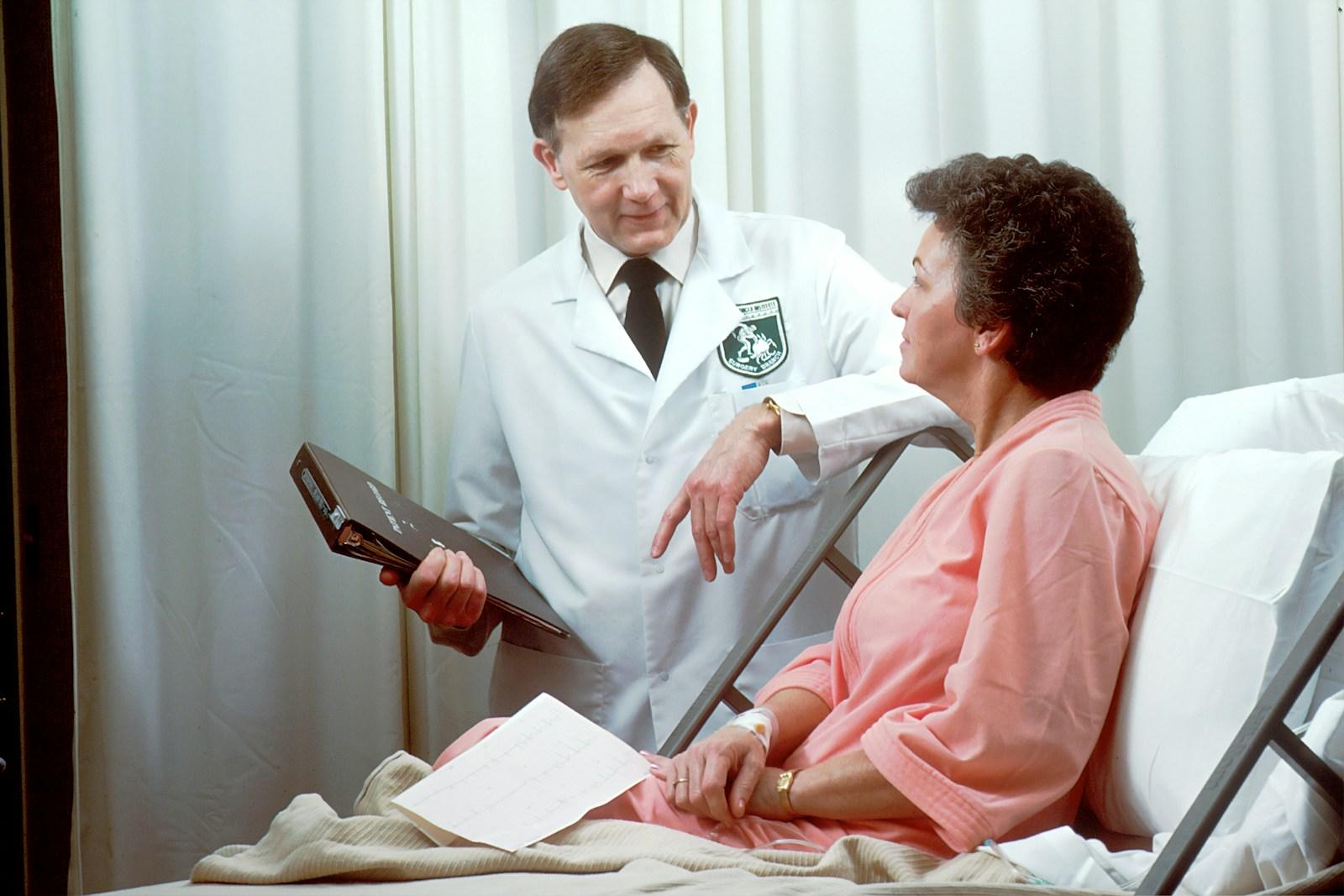

Getting medical care without insurance or with a high-deductible plan feels like a financial minefield. A single doctor’s visit or lab test generates a bill that throws your entire budget off track. What many people do not realize is that a nationwide network of free and low-cost clinics exists specifically to serve people in this situation. These clinics provide real medical care delivered by licensed professionals, and they operate in almost every county in the country.
Federally Qualified Health Centers (FQHCs) are the backbone of this system. Funded by the Health Resources and Services Administration, these centers serve everyone regardless of their insurance status or ability to pay. Fees are calculated on a sliding scale based on your income and family size. If you earn below the federal poverty level, your visit may cost nothing at all. These are not makeshift operations. They are fully licensed medical facilities that provide comprehensive primary care, dental, mental health, and pharmacy services.
How to Find Clinics Near You
The Health Resources and Services Administration maintains an online tool that lets you search for FQHCs by zip code. Just enter your location and the tool shows you every community health center in your area along with the services they offer. Most urban areas have multiple locations, and rural communities typically have at least one within a reasonable driving distance.
Free clinics are another category of providers that serve uninsured and underinsured patients. These clinics are run by nonprofit organizations and staffed by a mix of paid professionals and volunteer providers. The National Association of Free and Charitable Clinics has a directory on their website where you search by state. Church-run health ministries and mobile health units that travel to underserved communities round out the options.
Services Offered at Community Health Centers
Community health centers provide far more than basic checkups. Most offer a full range of primary care services including preventive screenings, chronic disease management, prenatal care, and immunizations. Many have on-site dental clinics, vision services, behavioral health programs, and pharmacies. Some offer specialty referrals and help patients navigate the process of connecting with specialists at reduced rates.
Prescription assistance is a major benefit at many of these centers. On-site pharmacies at FQHCs participate in the 340B Drug Pricing Program, which allows them to purchase medications at deeply discounted prices. Those savings pass directly to patients, meaning the medications you need may cost a fraction of what a retail pharmacy charges. If the clinic does not have an on-site pharmacy, staff often help you enroll in manufacturer assistance programs or state-funded prescription plans.
Who Qualifies and How to Prepare for Your Visit
There are no strict eligibility requirements for FQHCs. They serve everyone, including people with private insurance, Medicaid, Medicare, and no insurance at all. The sliding fee scale determines how much you pay, so bring proof of income when you visit for the first time. A recent pay stub, tax return, or letter from an employer is typically sufficient. If you have no income documentation, most centers will still see you and work out the financial details afterward.
Call ahead to schedule an appointment and ask what documents to bring. Some clinics accept walk-in patients, while others operate by appointment only. Wait times vary depending on the location and the type of service you need. Bringing a list of your current medications, any relevant medical records, and your insurance card if you have one makes the visit more efficient.
Quality health care is available to you right now, even if your bank account says otherwise. These clinics exist to fill the gap and keep people healthy regardless of their financial situation. Understanding how Medicaid works alongside these clinics gives you even more options, so explore community health centers as part of your overall health coverage strategy. Your health is not something to put on hold.
Mobile health clinics bring care directly to communities that face transportation barriers. These clinics operate out of specially equipped vans or buses and visit underserved neighborhoods on a regular schedule. Services typically include basic primary care, vaccinations, health screenings, and referrals to specialists. Mobile clinics are funded by a mix of federal grants, hospital community benefit programs, and nonprofit organizations. Check your local health department’s website for schedules and locations.
Dental and vision services at community health centers are often more affordable than many people expect. FQHCs that offer dental care provide cleanings, fillings, extractions, and preventive screenings on the same sliding fee scale used for medical visits. Vision services including eye exams and prescription eyewear are available at some locations as well. Bundling your medical, dental, and vision care at a single community health center simplifies your healthcare experience and reduces costs across the board.
Telehealth services through FQHCs have expanded significantly. Many community health centers now offer virtual visits for primary care, mental health, and chronic disease management. This makes it easier for patients to access care without missing work or arranging transportation. Virtual appointments often have the same sliding-scale pricing as in-person visits, making them both convenient and affordable.

Leave a Comment