
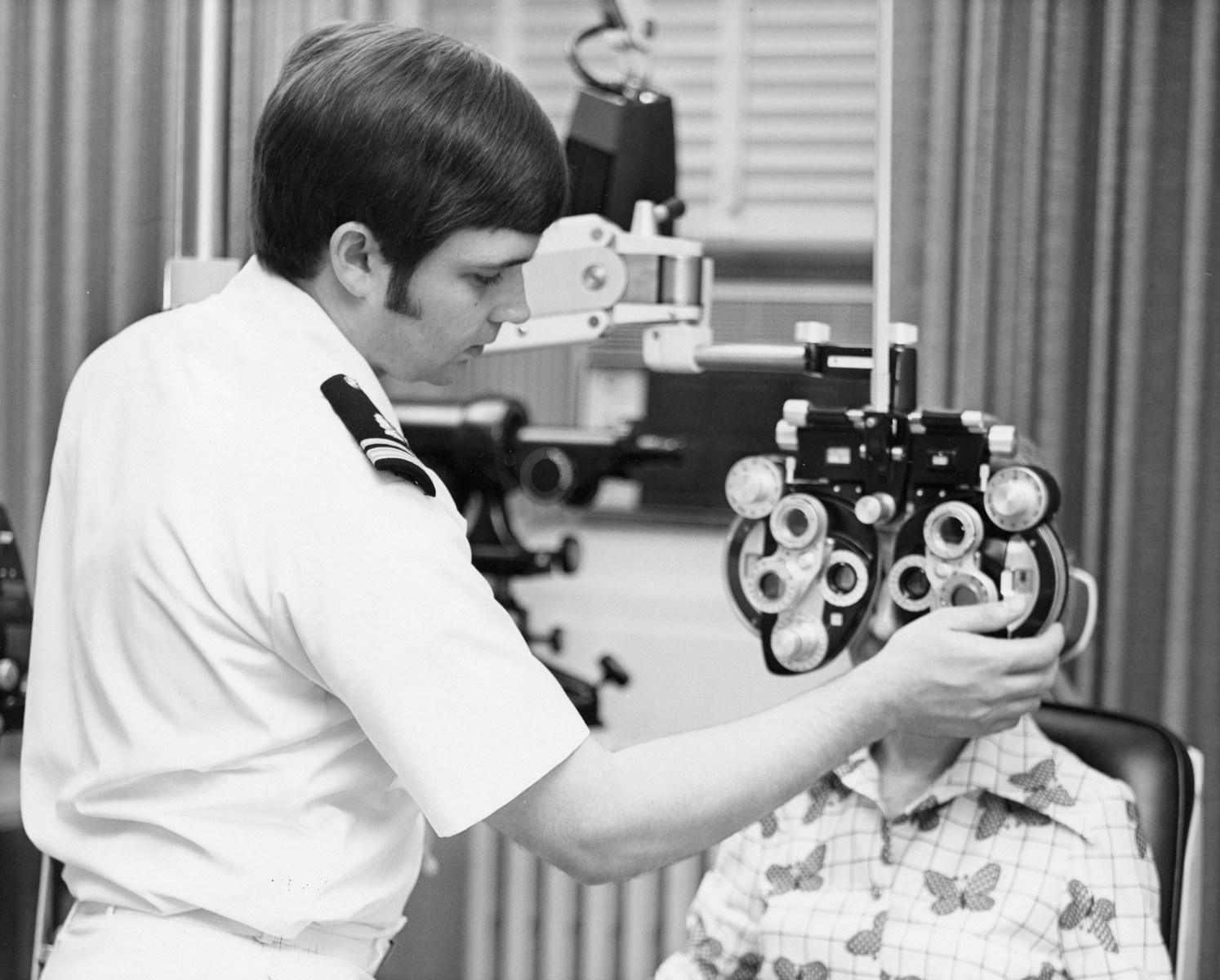
Dental and vision care are two of the easiest things to neglect when money is tight. A regular checkup gets pushed back, glasses prescriptions go out of date, and small problems turn into expensive emergencies. The underlying issue is that many health insurance plans either exclude dental and vision coverage entirely or provide only minimal benefits. The National Association of Dental Plans reports that approximately 68.5 million Americans have no dental insurance at all. That leaves a huge number of people paying full price for cleanings, fillings, and other basic dental work.
The cost of skipping preventive dental and vision care adds up fast. A routine dental cleaning runs $75 to $200 without insurance. A root canal costs $700 to $1,500. New glasses or contacts range from $200 to $500 depending on your prescription. These are expenses that most household budgets are not built to absorb in a single payment. Finding affordable coverage or discount programs makes these costs manageable.
Standalone Dental and Vision Insurance Plans
Standalone dental insurance plans are available outside of your employer-sponsored health plan. These plans are sold by companies like Delta Dental, Cigna, Guardian, and Humana. Monthly premiums for individual coverage typically range from $20 to $50. Most plans cover preventive care like cleanings and exams at 100 percent after a short waiting period. Major procedures like crowns and root canals are typically covered at 50 to 80 percent.
Vision insurance works similarly. Plans from VSP and EyeMed cover annual eye exams, provide allowances for glasses or contacts, and offer discounts on lens upgrades. Monthly premiums run between $10 and $25 for individual coverage. The math usually works in your favor if you wear glasses or contacts and need annual exams. Comparing plans on the Healthcare.gov marketplace or through a licensed broker helps you find the best fit for your needs and budget.
For low-cost care, HRSA’s health center locator lets readers search federally supported clinics by location. For family coverage, HealthCare.gov explains Medicaid and CHIP coverage for children and families.
Discount Plans and Community Resources
Dental discount plans are an alternative to traditional insurance. These are not insurance policies. They are membership programs that give you access to a network of dentists at reduced rates. Annual fees are typically $80 to $200, and discounts on procedures range from 10 to 60 percent. They are especially helpful for people who need major work and cannot afford full-price care.
Community health centers funded by the federal government provide dental and vision services on a sliding fee scale based on your income. Dental schools are another underused resource. Students perform procedures under the supervision of licensed faculty at a fraction of the cost of a private practice. The quality of care is high because instructors review every step of the treatment. Nonprofit organizations like Remote Area Medical and Mission of Mercy hold free dental clinics in communities across the country.
Tips for Keeping Dental and Vision Costs Low
Preventive care is the most cost-effective approach to dental and vision health. Brushing and flossing daily, eating a balanced diet, and getting regular checkups catch problems early when they are cheap to fix. A $150 cleaning today prevents a $1,500 root canal next year. The same principle applies to vision care. Updated prescriptions reduce eye strain and headaches, and catching conditions like glaucoma early saves your sight and your wallet.
Flexible Spending Accounts (FSAs) and Health Savings Accounts (HSAs) let you set aside pre-tax dollars for dental and vision expenses. Using pre-tax money effectively reduces the cost of every procedure by your tax rate. If your employer offers an FSA, enrolling during open enrollment and estimating your annual dental and vision costs is a smart financial move.
Taking care of your teeth and eyes does not have to break the bank. Between standalone plans, discount programs, and community resources, affordable options are available at every income level. If you are comparing your overall health coverage options, diving into cheap dental plans gives you a broader view of what the marketplace offers. Your smile and your vision are worth protecting.
Dental savings are significant for families with children. Pediatric dental care is an essential health benefit under the Affordable Care Act (ACA), which means marketplace plans must include dental coverage for children under 18. This requirement does not apply to adult dental care, which is why standalone dental plans are necessary for many adults. Understanding this distinction helps you evaluate whether your current health plan already covers your children’s dental needs.
Vision coverage often includes discounts on LASIK and other corrective procedures. Many plans offer 15 to 30 percent off laser eye surgery at participating providers. If you are considering a permanent vision correction procedure, having vision insurance or a discount plan at the time of the procedure saves several hundred dollars. These discounts are usually available to plan members immediately without waiting periods.
Online eyeglass retailers have disrupted the traditional vision care market. Companies like Zenni Optical, Warby Parker, and EyeBuyDirect sell prescription glasses at a fraction of the cost charged by optical shops. A complete pair of glasses with prescription lenses starts as low as $7 to $15 on some of these platforms. Combining an affordable eye exam at a community health center with an online purchase keeps your total out-of-pocket cost remarkably low.
Frequently Asked Questions
What does standalone dental insurance cost?
Monthly premiums for individual standalone dental insurance run $20 to $50, depending on the plan tier and the insurer (Delta Dental, Cigna, Guardian, Humana, Aetna). Plans typically cover preventive care (cleanings, exams, X-rays) at 100% after the waiting period, basic services (fillings) at 70% to 80%, and major services (crowns, root canals) at 50%. Annual maximums usually cap insurer payment at $1,000 to $2,000.
What is the difference between dental insurance and a dental discount plan?
Dental insurance pays a percentage of approved procedures up to an annual maximum, with waiting periods on major work. Discount plans (Aetna Dental Access, Careington, DentalPlans.com) are not insurance, they are membership programs that give access to a network of dentists at 10% to 60% off, with no annual maximum and no waiting periods. Annual membership fees are $80 to $200. Discount plans work better for major work needed soon.
How much does vision insurance cost?
Individual vision plans (VSP, EyeMed, Davis Vision) run $10 to $25 per month. Typical benefits: covered annual exam, $130 to $200 frame allowance, lens allowance or covered lenses, and 15% to 20% off contacts and lens upgrades. Math usually favors enrollment for anyone who wears prescription lenses and gets annual exams.
Where can I get free or low-cost dental care?
Federally Qualified Health Centers (FQHCs) provide dental care on a sliding fee scale based on income, find a local FQHC at findahealthcenter.hrsa.gov. Dental schools (every state has at least one) charge 30% to 50% of private-practice prices for treatment supervised by faculty. Remote Area Medical and Mission of Mercy run free clinics nationwide on scheduled weekends. Local United Way 211 also lists free clinic dates.
Does Medicare cover dental and vision?
Original Medicare (Parts A and B) does not cover routine dental or vision. Medicare Advantage (Part C) plans often bundle dental and vision benefits, coverage varies widely, so compare benefits carefully during the annual enrollment period (October 15 to December 7). Medicaid coverage for adult dental varies by state; pediatric dental is covered in all states under Medicaid and CHIP.



Leave a Comment