
6 min read · Last updated June 22, 2026
- LIHEAP cooling assistance helps low-income households pay summer electric bills, and in many states it can also buy or repair an air conditioner or fan.
- Income eligibility generally starts at the higher of 150 percent of the federal poverty level or 60 percent of your state’s median income. If you already get SNAP, SSI, or TANF, you may qualify automatically.
- In many states cooling assistance is a separate program from winter heating, with its own application window and its own pot of money that runs out faster.
- The crisis component can move fast. If you have a shutoff notice or your power is already off, many states act within 48 hours.
In this article
- What LIHEAP cooling assistance is
- Who qualifies in 2026
- What cooling assistance covers
- How to apply
- Common reasons applications get denied
- Frequently asked questions
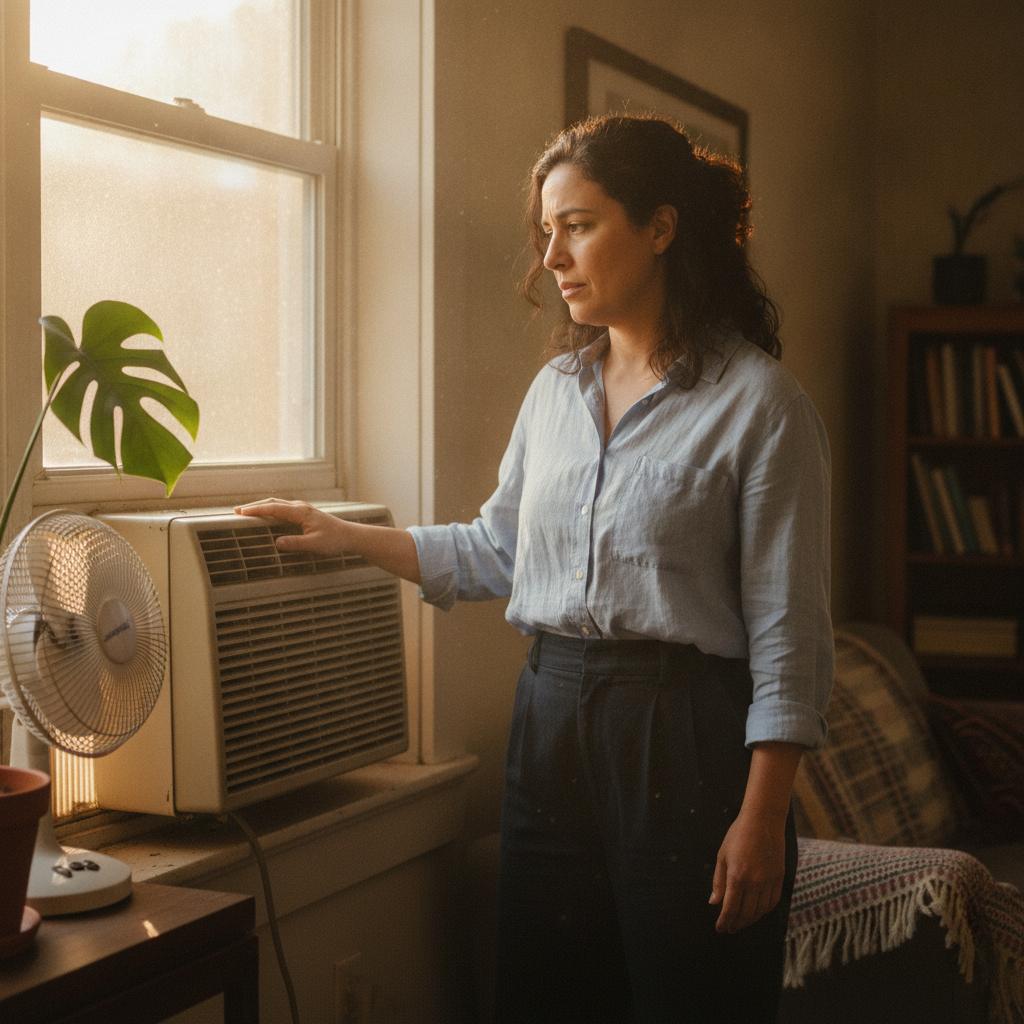
Maria’s electric bill hit $312 in July when she ran the air conditioner around the clock for her 8-year-old son, who has asthma. She had heard of help with winter heating bills. She did not know there was a separate program for summer cooling, and by the time a neighbor mentioned it in August, her county’s funds were already gone. The program is called LIHEAP, and the cooling side of it is the part most families miss.
What LIHEAP cooling assistance is
LIHEAP stands for the Low Income Home Energy Assistance Program. It is federally funded through the U.S. Department of Health and Human Services and run by your state, tribe, or territory. Because each state runs its own version, the rules and dollar amounts differ depending on where you live.
DOE’s LIHEAP guidance explains the cooling-assistance framework, but the local agency sets the application window and available funds.
LIHEAP has four parts: heating help, cooling help, crisis help, and weatherization. Not every state offers all four. Cooling assistance specifically helps households stay safe during dangerous summer heat. In hot-climate states it is often the busiest part of the program.
| LIHEAP component | What it helps with | When it matters most |
|---|---|---|
| Heating assistance | Winter heating bills and fuel costs | Cold-weather months |
| Cooling assistance | Summer electric bills, AC units, fans | Late spring through summer |
| Crisis assistance | Shutoff notices and restoring disconnected power | Any emergency, often within 48 hours |
| Weatherization | Insulation and energy fixes that lower bills long term | Year-round, by referral |
Who qualifies in 2026
Three things decide eligibility: your income, your household size, and your home energy responsibility.
Income. States must set their income limit at the higher of two benchmarks: 150 percent of the federal poverty level, or 60 percent of the state’s median income. In plain terms, your state picks whichever of those two is larger and uses it as the ceiling. States can set a lower floor, but not below 110 percent of the federal poverty level. Because the cap is tied to household size, a larger family can earn more and still qualify.
Categorical eligibility. If you already receive SNAP food benefits, Supplemental Security Income, TANF cash assistance, or certain needs-based veterans benefits, many states treat you as automatically income-eligible. This saves you from documenting income all over again. Tell the intake worker which programs you are already on.
Energy responsibility. You generally have to be responsible for your home cooling costs, whether you pay the utility directly or pay it as part of your rent. You do not have to own your home. Renters qualify too.
This is where one mistake stops people cold. Many families assume they earn too much because they look at gross pay. Before you decide you are over the limit, check your state’s actual figure for your household size. The cooling-assistance ceiling is higher than most people expect, and households with seniors, young children, or a member with a medical condition often get priority.
What cooling assistance covers
What you get depends on your state, but cooling assistance commonly includes:
- A payment toward your summer electric bill, sent directly to your utility company.
- Help buying or repairing a window air conditioner or fans, in states that offer equipment.
- Payment of past-due cooling bills to prevent or reverse a shutoff.
- Priority handling if someone in the home is medically vulnerable to heat.
Benefit amounts are set by the state and the funding available that year. A typical cooling benefit is a one-time seasonal payment, not an ongoing monthly subsidy. That is exactly why timing matters so much.
For a plain-language look at how these programs work day to day, see our explainer on how utility assistance programs help families lower monthly bills. If LIHEAP funds in your area are already gone, our roundup of government programs that help pay utility bills lists other options.
How to apply

You apply through your state’s LIHEAP office or, more often, your local community action agency. Many states take applications online, by mail, or in person. The agency that serves your address is the one to contact. That same visit can often screen you for more than heating help alone: see our guide to what a Community Action Agency can actually do for your bills.
Gather these before you apply:
- A photo ID for the applicant.
- Social Security numbers for everyone in the household.
- Proof of income for the last 30 days for all adults, or proof you receive SNAP, SSI, or TANF.
- Your most recent electric or cooling utility bill, with the account number.
- Proof of your address, such as a lease or a piece of mail.
If you have a disconnection notice or your power is already off, say so immediately. That moves you into the crisis track, which many states must act on within 48 hours when the situation is life-threatening.
Common reasons applications get denied
You applied after the funds ran out. This is the number one reason for cooling specifically. The program is not denying you on the merits. The season’s money is simply gone. Apply as early in the season as you can.
Your income paperwork was incomplete. Missing one adult’s pay stubs, or showing gross income with no proof of your SNAP or SSI enrollment, stalls or sinks an application. Bring documentation for every adult in the home.
You are not the account holder and could not show responsibility. If the utility account is in someone else’s name, you need to show you are responsible for the bill, often through your lease. Sort this out before you apply.
You assumed you earned too much and never applied. This is the quietest denial of all, because it is self-imposed. The income ceiling for cooling assistance is higher than most families guess, especially with a larger household or a medically vulnerable member. Check the real number for your household size before you rule yourself out. You can confirm your likely eligibility with our explainer on whether many households qualify for LIHEAP without knowing it.
Frequently asked questions
Do I qualify if I rent and my AC is included in my rent? Often yes. You generally need to be responsible for home cooling costs, and paying for cooling as part of your rent can count. Bring your lease so the agency can confirm how your state treats it.
What documents do I need to apply for cooling assistance? A photo ID, Social Security numbers for the household, proof of the last 30 days of income or proof you get SNAP, SSI, or TANF, your most recent electric bill with the account number, and proof of your address.
Is cooling assistance different from winter heating help? In many states, yes. Cooling is funded separately, opens on its own schedule, and can run out before heating season even begins. Apply specifically for cooling rather than assuming one application covers both.
How fast can I get help if my power is about to be shut off? If you have a shutoff notice or are already disconnected, ask for crisis assistance. Many states are required to act within 48 hours when the situation is life-threatening.
Can I get help buying an air conditioner, not just paying a bill? In some states, yes. Cooling assistance can cover the purchase or repair of a window unit or fans, but equipment programs vary widely by state and by available funding.


Leave a Comment